


Introduction
In 2026, businesses are operating in an environment defined by constant change, rising cyber threats, and expanding regulatory pressure. Whether you’re a fintech startup, SaaS company, or enterprise, managing compliance and risk is no longer optional—it’s mission-critical.
Search trends for “what is GRC,” “GRC in cybersecurity,” and “compliance management software” have surged because organizations are actively looking for structured, scalable solutions.
But here’s the reality:
Most companies don’t fail at compliance because they lack tools—they fail because their systems are fragmented, manual, and outdated.
This is exactly where GRC (Governance, Risk, and Compliance) comes in.
What is GRC?
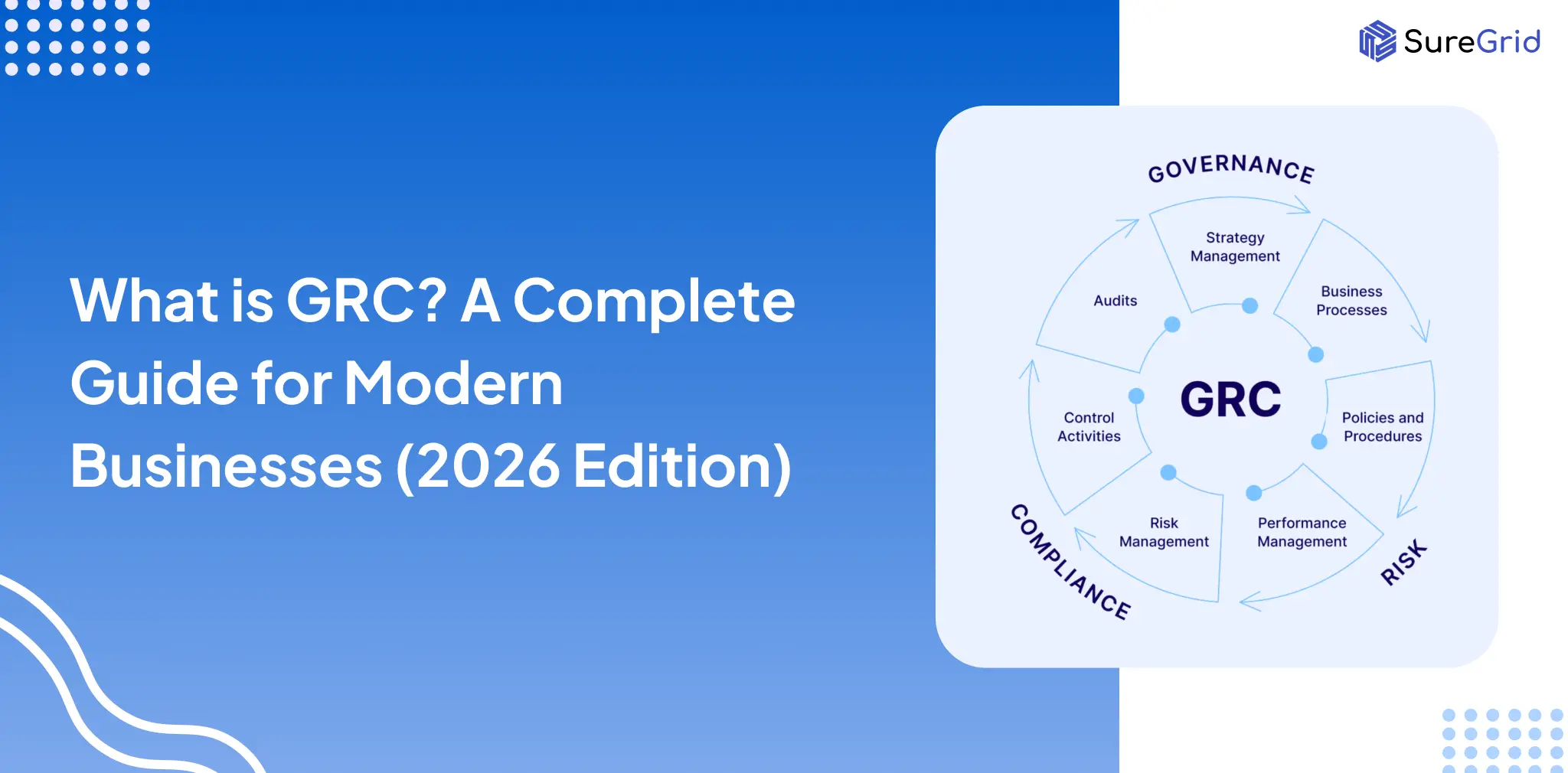
GRC (Governance, Risk, and Compliance) is a unified framework that helps organizations:
- Align business strategy with execution (Governance)
- Identify and mitigate threats (Risk Management)
- Adhere to laws and regulations (Compliance)
In simple terms, GRC ensures your business is secure, compliant, and scalable—without operational chaos.
Why GRC is Critical in 2026 (With Real Data)
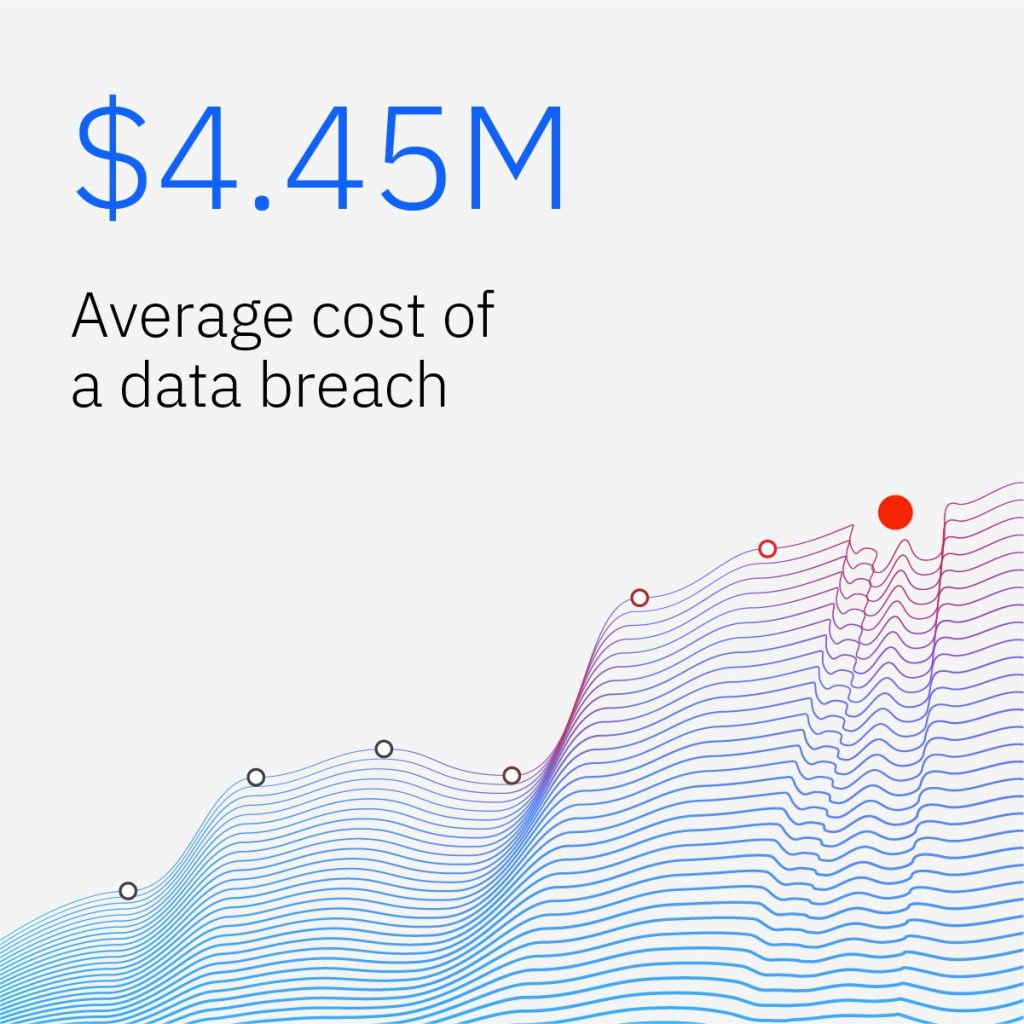
The urgency around GRC is backed by real-world data:
- According to the IBM Cost of a Data Breach Report, the average breach cost exceeds $4.5 million globally
- Over 90% of enterprises now operate on cloud infrastructure, increasing attack surfaces
- Organizations manage multiple compliance frameworks simultaneously (SOC 2, ISO 27001, GDPR)
- Cyberattacks have increased significantly in both frequency and sophistication
Expert Insight (From Real Implementation Experience)
At Surepass, while working with high-growth BFSI and fintech companies handling millions of verifications, one pattern is consistent:
The biggest GRC failure isn’t lack of security—it’s lack of visibility and integration.
Teams often use separate tools for compliance, cloud security, and pentesting. This creates blind spots where risks go unnoticed until it’s too late.
The Three Pillars of GRC
1. Governance
Governance defines how decisions are made and ensures alignment with business goals.
Includes:
- Policies and procedures
- Internal controls
- Role-based accountability
Example: Defining access control policies across teams
2. Risk Management
Risk management focuses on identifying and mitigating potential threats before they impact operations.
Types of risks:
- Cybersecurity risks (data breaches, ransomware)
- Operational risks
- Financial risks
- Third-party/vendor risks
Example: Detecting exposed APIs in real time
3. Compliance
Compliance ensures adherence to regulatory requirements and industry standards.
Common frameworks:
- GDPR
- ISO 27001
- SOC 2
- HIPAA
Activities include:
- Audit preparation
- Reporting
- Documentation
What is a GRC Framework?
A GRC framework integrates governance, risk, and compliance into a unified system, eliminating silos and enabling centralized control.
Popular Frameworks
- COSO ERM
- ISO 31000
- NIST Risk Management Framework
However, frameworks alone are not enough. Execution is where most organizations struggle.
Why Traditional GRC Fails (Real-World Problem)
Based on real-world implementations, here’s why most GRC strategies break:
❌ Point-in-Time Security
Traditional audits and pentests provide only snapshots, not continuous insights
❌ Tool Fragmentation
Multiple disconnected tools lead to inconsistent data
❌ Manual Workflows
Heavy reliance on spreadsheets slows response times
❌ No Risk Context
Vulnerabilities are identified but not prioritized based on real impact
The Shift to Modern GRC Platforms
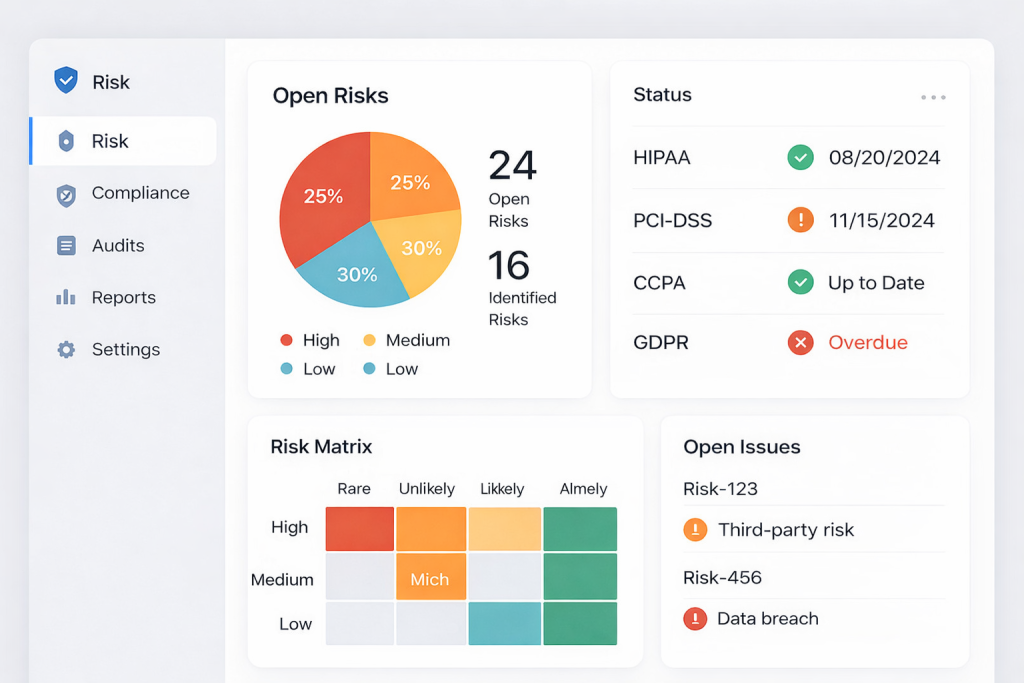
To solve these challenges, companies are moving toward unified GRC platforms like SureGrid.
What Makes Modern GRC Different?
Instead of treating governance, risk, and compliance separately, platforms like SureGrid bring everything together:
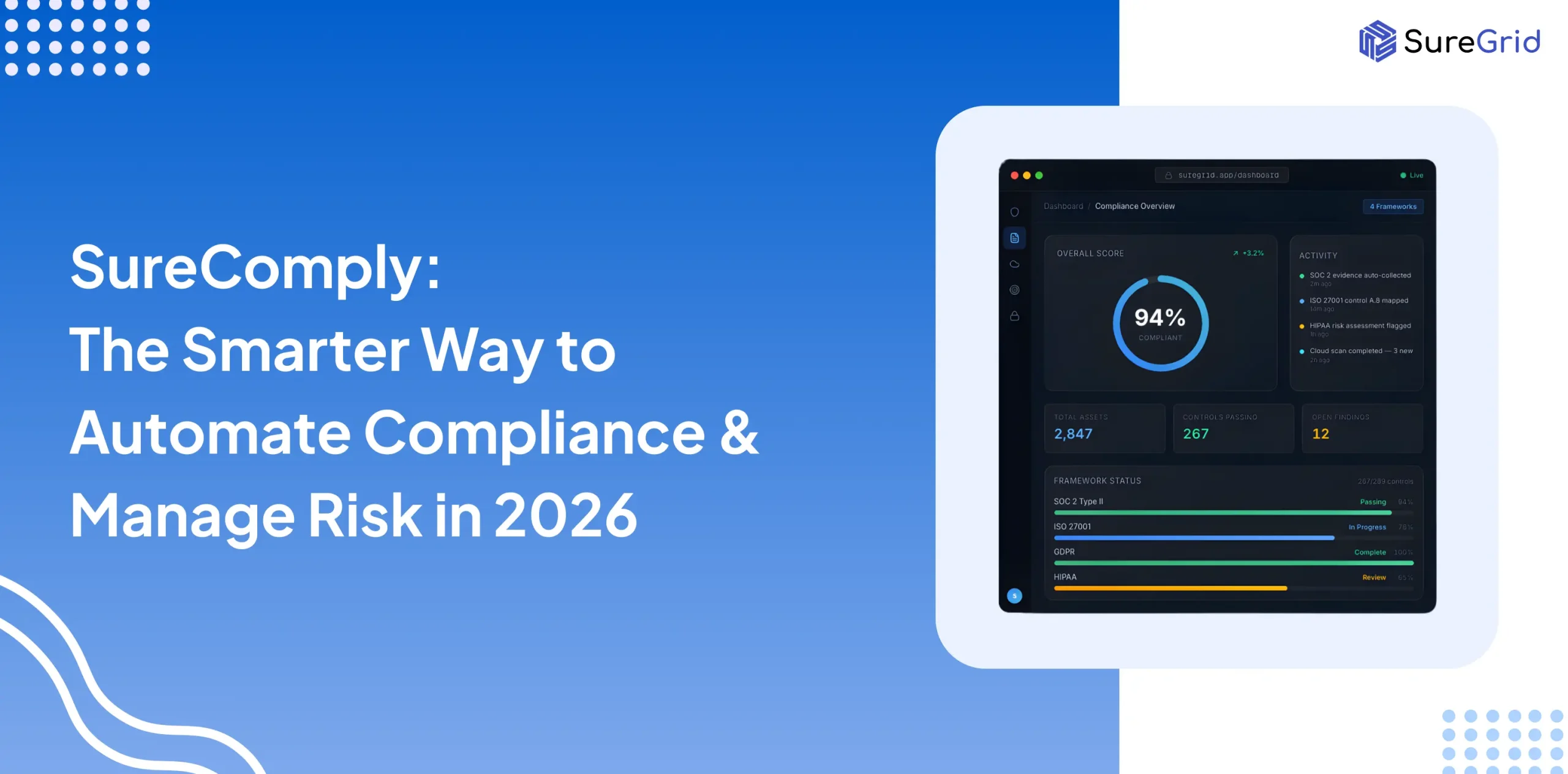
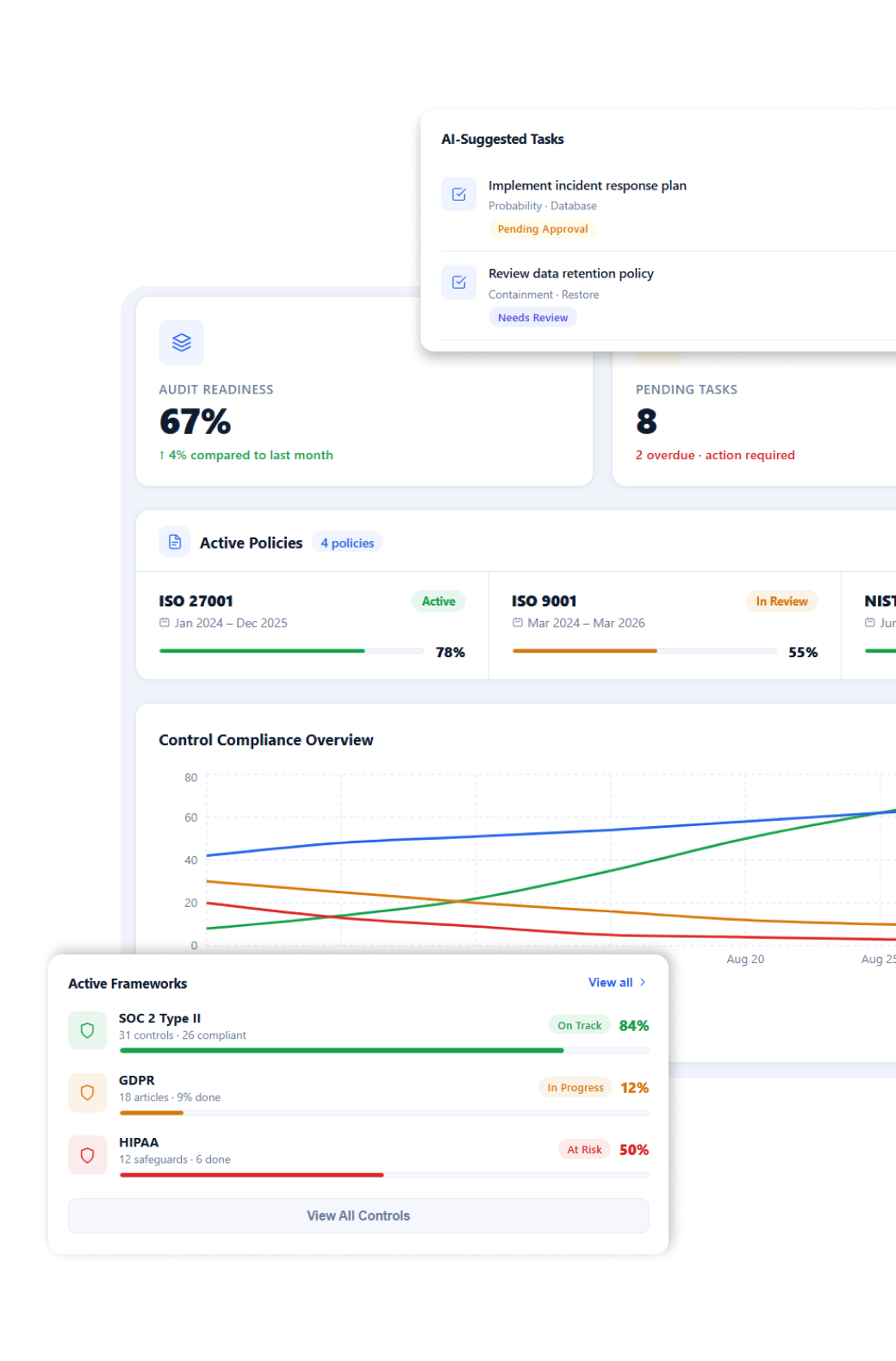
- Compliance automation with SureComply
- Real-time cloud risk monitoring via SureCloud
- Continuous pentesting (not annual) using SureHunt
- Automated security questionnaires powered by SurePilot
This creates a single source of truth for risk and compliance.
Benefits of GRC for Businesses
Faster Decision-Making
Real-time insights allow leadership to act quickly
Stronger Security
Continuous monitoring reduces breach risks
Audit Readiness
Reduce audit time by up to 50% with automation
Cost Efficiency
Avoid regulatory penalties and operational inefficiencies
Scalable Growth
Expand without increasing compliance complexity
Real-World Use Cases
BFSI
- Fraud detection
- RBI and PCI DSS compliance
SaaS
- SOC 2 compliance
- Cloud security posture management
Healthcare
- HIPAA compliance
- Patient data protection
E-commerce
- Payment security
- Customer data privacy
How to Implement GRC (Step-by-Step)
- Define Compliance Requirements
Identify applicable regulations - Assess Current Gaps
Audit tools and workflows - Adopt a Unified Platform
Use solutions like SureGrid - Automate Workflows
Reduce manual processes - Enable Continuous Monitoring
Move beyond point-in-time assessments
Future of GRC (2026 and Beyond)
GRC is evolving rapidly with:
- AI-driven risk detection
- Continuous compliance monitoring
- Real-time attack path validation
- Cloud-native architectures
The future of GRC is continuous, automated, and intelligence-driven.
Conclusion
GRC is no longer just about passing audits—it’s about building resilient, scalable, and secure businesses.
Organizations that still rely on manual processes and fragmented tools will struggle to keep up. The shift toward unified platforms like SureGrid is not just a trend—it’s a necessity.