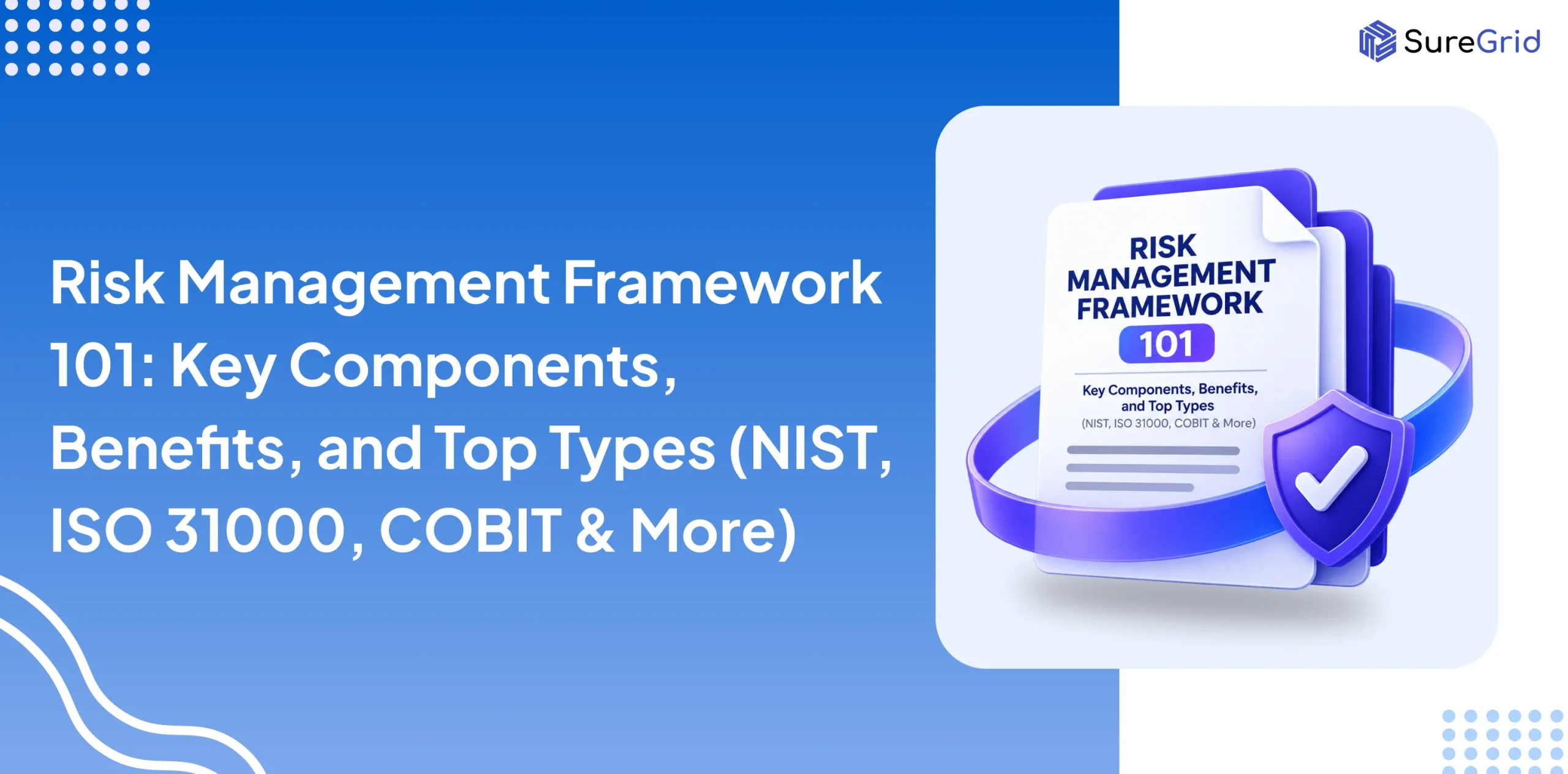

Every business is exposed to different kinds of risks that could impact its finances, operations, as well as its reputation, and even its growth. The risks could occur from operational problems, cyber-related threats, legal issues, or changes in market conditions. Risk management helps businesses in identifying possible risks, analyzing their impact, and taking the appropriate steps to minimize or manage the risk.
What is Risk Management Strategy?
It’s a method of identifying, assessing, controlling, and monitoring the risk. They could impact the business’s operations as well as its financial performance. By implementing risk management in a proper manner, the company can cut down on the risk of uncertainty and make better choices.
What are the various types of Risk Management?
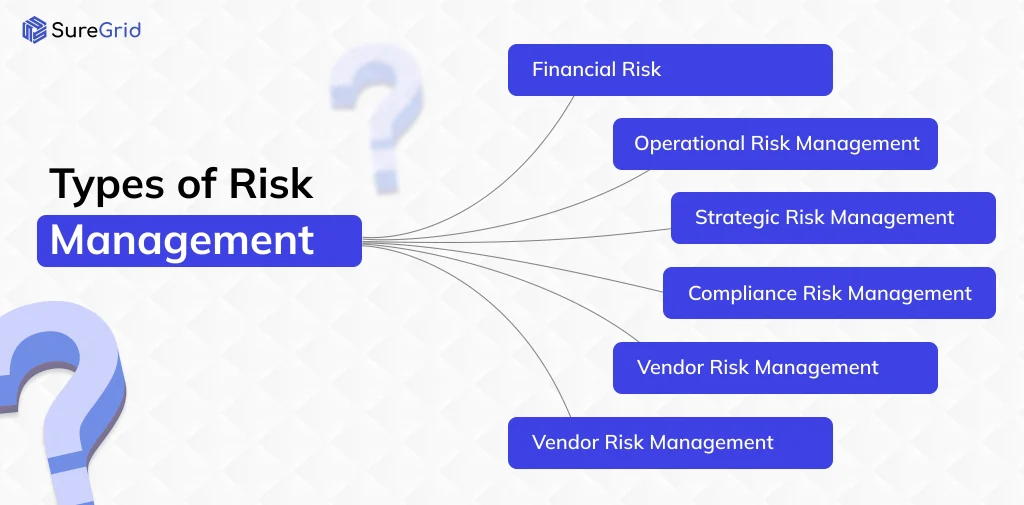
These are the kinds that are part of the Risk Management:
- Financial Risk: Financial risk management is focused on managing the risks associated with the management of loans, investments, and cash flow as well as market volatility. It helps companies maintain their financial stability while reducing losses to their finances.
Examples:
- Credit Risk
- Liquidity Risk
- Interest Rate Risk
- Currency Risk
- Operational Risk Management: Risk management is concerned with the risk posed by internal procedures, staff, or operational issues. This includes human error as well as system failures, interruptions to supply chains, and failures in processes.
- Strategic Risk Management: It is focused on the potential risks that could affect companies’ long-term goals and growth plans. This includes bad business decisions, market competition shifting customer demands, and unsuccessful expansion strategies.
- Compliance Risk Management: It is focused on compliance, regulations, or industry norms. This includes violations of regulations as well as data privacy violations, and penalties for non-compliance.
Simplify Your Compliance & Stay Audit-Ready
Help your team manage controls, risks, and audits with ease
- Cybersecurity Risk Management: It shields your business’s applications, systems, and information from cyber-attacks. Therefore, businesses can safeguard against data security breaches, malware attacks, threats from phishing, and unauthorized access.
- Vendor Risk Management: These strategies target threats posed by third-party suppliers, vendors, and service companies. They prevent third-party data breaches, vendor compliance issues, and service interruptions.
- Reputational Risk Management: It focuses on safeguarding the brand’s image, trustworthiness, and credibility. Events that are negative or involve illegal business practices. It helps avoid negative publicity and customer complaints, ethical issues, as well as social media backlash and poor customer service.
- Market Risk Management: Businesses can prepare for unpredictable market conditions, limit the risk of financial loss, and make better pricing and investment choices. This is often because of economic recessions and fluctuations in currency exchange rates, and shifts in demand from customers.
Four Main Risk Management Strategies
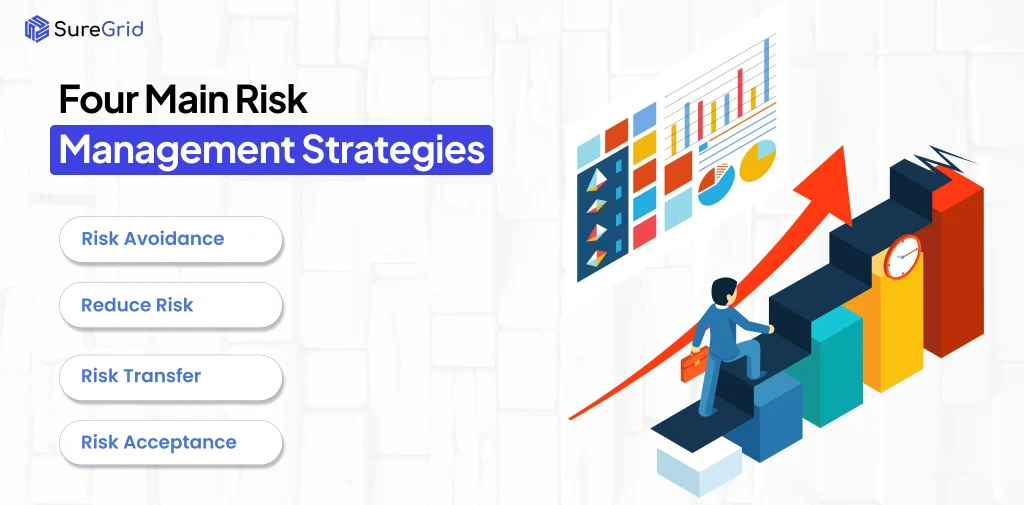
These are the major risk management strategies:
- Risk Avoidance: It eliminates activities or decisions that could create potential risks for the business. It is used when the possible loss to high to accept.
- Reduce Risk: It focuses on minimizing the likelihood or impact of risks through preventive measures, controls, monitoring, and safety practices.
- Risk Transfer: In this types of risk management, the financial and operational risks are shifted to another party through insurance policies, outsourcing, or contractual agreements.
- Risk Acceptance: It means you will accept the risk and decide to endure it. It occurs when the impact is low, and the prevention is greater than the loss.
What is the Risk Management Process?
Step 1: Risk Identification
It is the process of finding possible threats that may affect business operations, finances, data, employees, or reputation. A business can detect risk via audits, assessments, and analysis.
Step 2: Risk Assessment
It involves analyzing the likelihood and impact of identified risks. It helps businesses understand which risks require immediate attention and which have lower priority.
Step 3: Risk Treatment
It is a process to decide on how you can manage to identify risks. Businesses can reduce risks through mitigation strategies, transfer risks through insurance or contracts, avoid risky activities, or accept low-level risks when the impact is manageable.
Step 4: Risk Monitoring
This type of risk management involves continuously tracking risks and regularly reviewing control measures. It helps organizations identify new threats, evaluate the effectiveness of risk controls, and improve risk management strategies over time.
Common Risk Categories in Business
It generally categorizes risks into distinct categories to manage them effectively:
| Risk Category | Description |
| Governance Risk | Risks associated with inadequate management, ineffective policies, or the absence of corporate governance |
| Technology Risk | The risks posed by IT system malfunctions, cybersecurity threats or obsolete technology infrastructures |
| Regulatory Risk | Risks posed by a lack of compliance with regulations, laws or industry norms |
| Customer Risk | The risks that impact trust in customers or satisfaction as well as business relationships |
| Vendor Risk | The risks associated with third-party vendors, suppliers or service providers |
| Resilience Risk | Risks that can affect the continuity of operations, business continuity, or the recovery process |
| People Risk | The risks posed by employees’ human errors, human omissions, incompetence, or internal misdeeds |
Conclusion
Risk management is important for all businesses to prevent financial losses, operational failures, cyber threats, and compliance issues. Various types of risk management help organizations detect threats and reduce uncertainty. The risk management strategies reduce the chances of losses and other issues.
FAQs
Ques: What are the 4 types of risk management?
Ans: The four types of risk management are avoidance, reduction, transference, and acceptance.
Ques: What are the risk management policies?
Ans: These are the guidelines that help organizations identify, assess, control, and monitor risks effectively.
Ques: What is operational risk management?
Ans: It is a process of detecting and reducing risks that can occur due to the internal process or human errors.
Ques: Why is continuous risk monitoring important?
Ans: It helps in identifying risks early and resolving them on time.
Ques: Is it important to manage cyber risks?
Ans: Yes, managing cyber risk is essential because it protects sensitive information.
Simplify Your Compliance & Stay Audit-Ready
Help your team manage controls, risks, and audits with ease